Every year, millions of travelers choose Bali for its tropical beaches, rich culture, jungle landscapes, luxury villas, surfing spots, and vibrant nightlife. In 2026, the island is expected to experience another major tourism boom, especially between June and September when school holidays, European summer vacations, and Australia’s winter escape season overlap.
Peak season in Bali can be magical, but it also comes with crowded roads, fully booked accommodations, long airport queues, and rising prices. Travelers who plan ahead usually enjoy Bali far more than those who arrive unprepared.
If you are planning a holiday to Bali in 2026, these essential tips will help you avoid common mistakes, save time, reduce stress, and enjoy a smoother tropical getaway.
1. Book Accommodation and Tours Months in Advance
The number one mistake travelers make during Bali’s high season is waiting too long to book hotels, villas, and activities.
The busiest period usually runs from mid-June until early September, with July and August being the most crowded months. Popular areas such as Ubud, Seminyak, Canggu, and Uluwatu can sell out quickly during these months.
Luxury villas with private pools are especially in high demand, and prices often increase significantly closer to travel dates.
For the best experience:
- Reserve accommodation at least 3–6 months ahead
- Pre-book airport transfers
- Secure popular activities early
- Reserve beach clubs and sunset restaurants before arrival
Many travelers now prefer using trusted local travel agencies to organize transportation and day trips before arriving in Bali. Agencies such as Ubud Good Travel can help arrange private tours, airport pickup, cultural experiences, waterfalls tours, and customized itineraries, making the trip much easier during busy holiday periods.
Planning ahead not only saves money but also gives you better choices in location and quality.
2. Expect Heavy Traffic and Plan Your Daily Schedule Wisely
Traffic congestion is one of the biggest challenges in Bali during peak season.
Areas such as Canggu, Seminyak, Kuta, and central Ubud can become extremely busy during afternoon and sunset hours.
A trip that normally takes 30 minutes may easily turn into a two-hour drive during high season.
To avoid wasting time in traffic:
- Start tours early in the morning
- Visit waterfalls and temples before 9 AM
- Avoid changing hotel areas too frequently
- Stay close to the attractions you want to explore
- Leave extra time for airport transfers
This is why many visitors choose private drivers or local tour organizers who already understand Bali’s traffic patterns and best travel times. Working with experienced local teams like Ubud Good Travel can help travelers maximize their holiday time instead of spending hours stuck on the road.
3. Prepare for Bali’s New 2026 Digital Travel Requirements
Travel regulations in Indonesia continue evolving, and Bali now uses several digital systems for arrivals.
International visitors in 2026 may need to:
- Complete an online arrival form
- Prepare digital visa documentation
- Pay the Bali tourism levy
- Keep QR codes accessible before landing
The tourism levy currently costs IDR 150,000 and supports cultural and environmental preservation programs.
Before flying to Bali:
- Double-check visa eligibility
- Screenshot important travel documents
- Save hotel confirmations offline
- Carry backup payment options
Airport Wi-Fi can become overloaded during busy arrival periods, so having documents ready on your phone helps speed up immigration processing.
4. Choose the Right Area to Stay
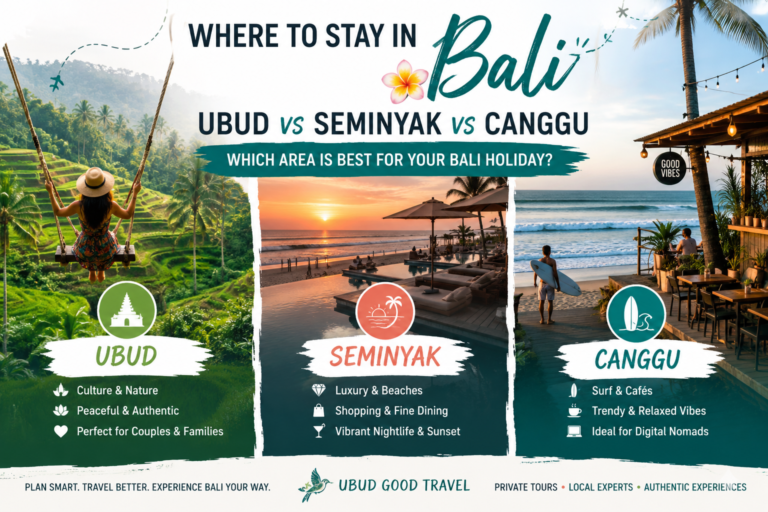
Bali is much larger and more diverse than many first-time visitors expect. Each region offers a completely different atmosphere, and choosing the right area to stay can greatly shape your overall travel experience.
Instead of changing hotels every night, many travelers now prefer splitting their holiday into two or three different areas to experience different sides of Bali more comfortably.
Here are some of the best areas to stay during Bali’s peak holiday season in 2026:
-
Ubud – Culture, Nature, and Central Location
Ubud is one of the most popular areas in Bali for travelers looking to experience the island’s cultural and spiritual side. Surrounded by rice terraces, waterfalls, temples, jungle scenery, and traditional villages, Ubud offers a calmer atmosphere compared to the beach areas.
Travelers staying in Ubud can enjoy:
- Traditional Balinese culture and ceremonies
- Jungle swings and rice terrace views
- Yoga retreats and wellness spas
- Waterfalls and temples nearby
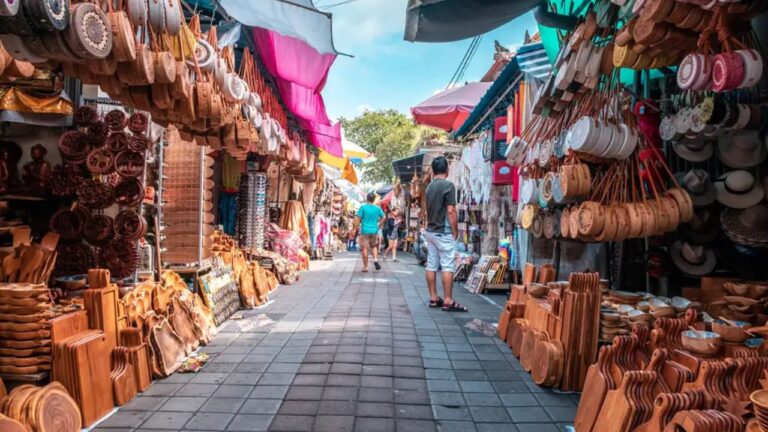
- Art markets and local crafts
- Coffee plantations and scenic cafes
One of the biggest advantages of staying in Ubud is its relatively central location. Many famous attractions such as Tegallalang Rice Terrace, Tirta Empul Temple, waterfalls, and volcano viewpoints are easier to access from here.
Because traffic becomes very busy during peak season, many travelers choose to stay in Ubud for at least 2–3 nights to explore central Bali without constantly changing hotels.
-
Canggu – Trendy Cafes, Surfing, and Nightlife
Canggu is one of Bali’s trendiest destinations, especially popular among younger travelers, surfers, and digital nomads.
The area is filled with:
- Stylish cafes and brunch spots
- Beach clubs and sunset bars
- Surf beaches
- Boutique shops
- Nightlife venues
- Coworking spaces
Travelers staying in Canggu usually enjoy a more social and lively atmosphere. During sunset, beach clubs and bars become very busy, creating one of Bali’s most energetic nightlife scenes.
However, traffic in Canggu can become extremely crowded during peak season, especially near sunset hours. Staying at least 2 nights is recommended so you can relax and enjoy the area without rushing.
-
Seminyak – Luxury Stay, Shopping, and Beach Clubs
Seminyak offers a more upscale version of Bali’s beach lifestyle. It is known for luxury villas, stylish restaurants, sunset dining, and fashionable boutiques.
Visitors staying in Seminyak can enjoy:
- Luxury beach clubs
- Fine dining restaurants
- Boutique shopping
- Spa experiences
- Sunset beaches
- Easy access to nightlife
Seminyak is perfect for honeymooners, couples, and travelers looking for comfort and convenience. The area is also close to many restaurants and shopping streets, making it easy to explore without long travel distances.
Because of its central location in southern Bali, Seminyak is often recommended for first-time visitors. Staying at least 2 nights allows travelers to fully enjoy the beach lifestyle and nightlife atmosphere.
-
Uluwatu – Cliffs, Ocean Views, and Surf Culture
Located on Bali’s southern peninsula, Uluwatu is famous for dramatic limestone cliffs, luxury resorts, and stunning ocean views.
Travelers in Uluwatu can enjoy:
- Cliffside sunsets
- Surf beaches
- Beach clubs with ocean views
- Hidden beaches
- Seafood restaurants
- Relaxed luxury atmosphere
Compared to Canggu or Seminyak, Uluwatu feels slightly more peaceful while still offering vibrant nightlife and beach culture.
Many travelers stay here for 1–2 nights to enjoy Bali’s coastal scenery and slower pace.
-
Sanur – Relaxed and Family-Friendly
Sanur offers a calmer atmosphere compared to the busy western beach areas.
The area is popular among:
- Families
- Older travelers
- Couples seeking a quiet stay
- Travelers planning island trips to Nusa Penida
Sanur features:
- Calm beaches
- Sunrise views
- Seaside walking paths
- Relaxed cafes
- Easier traffic conditions
Because of its slower pace and convenient harbor access, Sanur is often recommended for travelers wanting a peaceful start or end to their Bali trip. Staying 1–2 nights works well for many visitors.
-
Sanur – Coral Reefs, Relaxation, and Eastern Bali Charm
Located on Bali’s eastern coastline, Amed is ideal for travelers seeking a quieter and more natural side of the island.
The area is famous for:
- Coral reefs and snorkeling
- Diving spots
- Black sand beaches
- Relaxed beachfront stays
- Sunrise views
- Traditional fishing villages
Unlike the crowded southern areas, Amed offers a peaceful atmosphere where travelers can truly slow down and disconnect.
Because Amed is far from the airport and main tourist hubs, many visitors stay at least 2 nights to fully enjoy the slower pace and ocean atmosphere.
Amed is highly recommended for travelers who love snorkeling, diving, quiet beaches, and relaxed mornings by the sea.
-
Sidemen – Calm Morning Vibes and Rice Field Scenery
Sidemen is one of Bali’s hidden gems for travelers looking for tranquility, local village life, and scenic mountain views.
The area offers:
- Rice field landscapes
- Peaceful countryside atmosphere
- Cool fresh air
- Traditional Balinese villages
- Quiet boutique villas
- Relaxed morning vibes
Unlike the busy tourist centers, Sidemen feels authentic and slow-moving. Many travelers visit Sidemen simply to rest, enjoy nature, and experience a quieter side of Bali.
Staying at least 1–2 nights is highly recommended, especially for travelers wanting to escape crowds and enjoy peaceful mornings surrounded by rice terraces and hills.
-
Northern – Hills, Nature, Dolphins, and Slow Living
Northern Bali offers a completely different atmosphere from the south. The region is greener, cooler, quieter, and much less crowded.
Travelers visiting northern Bali can enjoy:
- Mountain scenery
- Waterfalls
- Lakes and hills
- Dolphin watching
- Quiet beaches
- Relaxed villa stays
- Traditional local life
Because northern Bali is farther from the airport, many travelers skip it, but those who visit often describe it as one of the most peaceful parts of the island.
Lovina
Lovina is famous for dolphin tours, calm beaches, and relaxing seaside accommodation. Sunrise dolphin trips are one of the most popular activities here.
Pemuteran
Pemuteran is ideal for travelers looking for quiet beaches, snorkeling, diving, and total relaxation. The atmosphere is calm, peaceful, and surrounded by nature.
Northern Bali is perfect for travelers who want to experience the slower rhythm of Bali away from the busy tourist crowds. Staying at least 1–2 nights is strongly recommended because of the longer travel distance from southern Bali.
5. Visit Popular Attractions Early Morning
During peak season, Bali’s famous attractions become crowded very quickly.
Places such as:
- Tegallalang Rice Terrace
- Lempuyang Temple
- Tanah Lot
- Uluwatu Temple
- Tirta Empul Temple
can become extremely busy by midday.
For the best experience:
- Arrive before 8 AM
- Visit during weekdays when possible
- Avoid sunset hours at major temples
- Hire a private driver familiar with local traffic patterns
Many travelers now prefer customized private tours instead of large group tours because they offer more flexibility and comfort, especially during Bali’s crowded holiday season.
6. Respect Balinese Culture and Temple Etiquette
Bali is not only a tourist destination. It is also deeply spiritual and culturally unique.
Visitors are expected to respect local traditions, especially when visiting temples or witnessing ceremonies.
Important etiquette tips include:
- Wear a sarong and modest clothing at temples
- Never climb sacred structures
- Do not interrupt ceremonies for photos
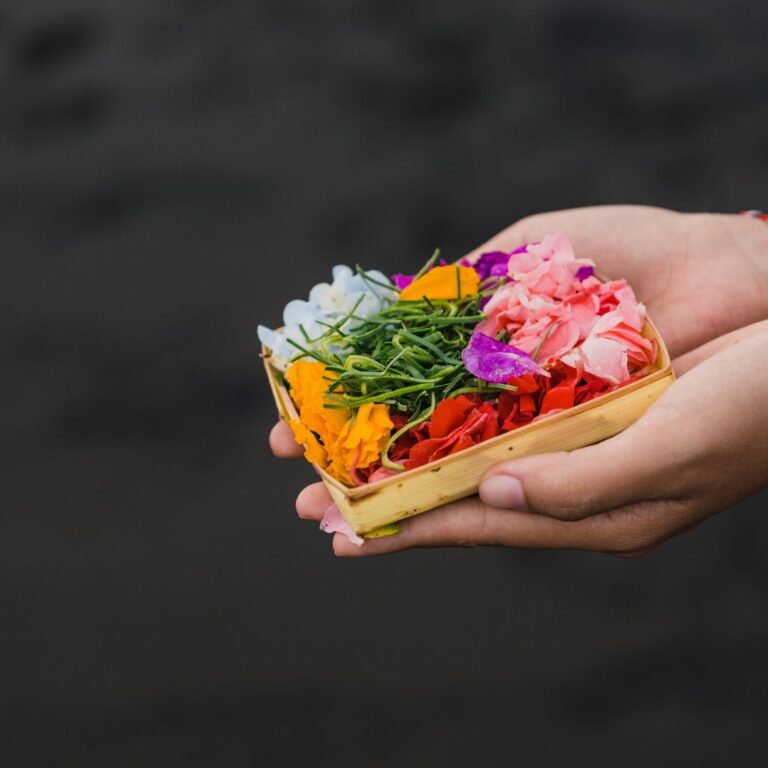
- Avoid stepping on small daily offerings placed on sidewalks
- Use respectful behavior around religious sites
Learning a few Indonesian phrases such as “Terima kasih” (thank you) is also appreciated by locals.
Travelers who explore Bali with local guides often gain a deeper understanding of Balinese traditions, history, and daily life beyond what they see on social media.
7. Be Prepared for Higher Prices During Peak Season
Bali can still be affordable, but prices rise noticeably during high season.
Travelers should expect higher costs for:
- Hotels and villas
- Airport transfers
- Beach clubs
- Day tours
- Fast boat tickets
- Surf lessons
- Restaurants in tourist hotspots
To manage your budget better:
- Book early
- Compare transport options
- Stay slightly outside major tourist centers
- Mix local warungs with upscale dining
- Travel in June or September for better value
Booking tours with local agencies before arrival can also help travelers avoid last-minute price increases and secure reliable transportation during busy periods.
8. Pack Smart for Bali’s Tropical Climate
Bali’s dry season is warm and sunny, but tropical conditions still require preparation.
Typical temperatures range between 27–30°C during peak season.
Essential items to pack include:
- Lightweight clothing
- Reef-safe sunscreen
- Mosquito repellent
- Comfortable sandals
- Swimwear
- Portable power bank
- Reusable water bottle
- Light rain jacket
If you plan waterfall hikes, volcano trekking, or snorkeling tours, quick-dry clothing is especially useful.
Travel insurance is also highly recommended for international visitors.
9. Understand Nyepi and Local Ceremonies
One of Bali’s most unique cultural events is Nyepi, the Balinese Day of Silence.
During this period:
- The airport closes
- Roads become empty
- Most businesses shut down
- Tourists must remain inside accommodations
For many travelers, experiencing Nyepi becomes one of the most memorable parts of visiting Bali because of the peaceful atmosphere and incredibly clear night sky.
If your travel dates overlap with major Balinese ceremonies, planning transportation and activities ahead of time is very important, especially during high season.
10. Slow Down and Enjoy Bali Beyond Social Media Spots
Many first-time visitors try to fit too much into one short trip.
Bali is best enjoyed slowly.
Instead of rushing between Instagram-famous attractions every day, consider spending more time:
- Watching sunsets
- Exploring local cafes
- Visiting smaller villages
- Enjoying traditional Balinese food
- Relaxing at quieter beaches
- Connecting with local culture
Some of Bali’s best experiences happen away from crowded tourist hotspots.
Areas like Sidemen, Munduk, and Amed offer a calmer side of Bali that many travelers never discover.
This is where local knowledge becomes valuable. Personalized tours and flexible itineraries from experienced Bali-based travel agencies such as Ubud Good Travel can help travelers discover hidden waterfalls, scenic villages, authentic cultural experiences, and quieter locations away from the busiest tourist crowds.
Visiting Bali during peak holiday season in 2026 can be an unforgettable experience filled with sunshine, culture, beaches, waterfalls, and incredible hospitality.
The key is preparation.
By booking early, planning around traffic, respecting local customs, choosing the right areas, and slowing down your itinerary, you can avoid many common travel frustrations and enjoy the island far more comfortably.
Whether you are visiting for surfing, honeymoon travel, family holidays, wellness retreats, or cultural adventures, Bali continues to offer something truly special for every kind of traveler.
For travelers who prefer a smoother and more personalized experience, working with trusted local travel partners like Ubud Good Travel can make exploring Bali easier, more flexible, and more enjoyable during the busy 2026 holiday season.