Discover the meaning of Tri Hita Karana, the core Balinese philosophy of harmony. Learn how it shapes culture, spirituality, and daily life in Bali.

Bali is often described as the “Island of the Gods,” a place where spirituality is not just practiced in temples but lived in everyday life. Beyond its beautiful landscapes and vibrant culture lies a deeper foundation that shapes how people think, act, and interact with the world around them. This foundation is known as Tri Hita Karana, a philosophy that defines harmony in life.
For travelers, understanding Tri Hita Karana offers a completely new perspective on Bali. It explains why the island feels so peaceful, why traditions are so well preserved, and why nature and spirituality are so closely connected. More than just a concept, it is a way of life that guides the Balinese people every single day.
The phrase Tri Hita Karana comes from Sanskrit and can be translated as “three causes of well-being” or “three reasons for happiness.” It is built on three essential relationships that must be maintained in balance: harmony between humans and the divine, harmony among humans, and harmony between humans and nature.
It is built on three essential relationships that must be maintained in balance. Understanding these three elements helps explain why life in Bali feels so harmonious and spiritually grounded:
1. 🛕 Parahyangan – Harmony Between Humans and the Divine
This element focuses on the relationship between humans and God. In Bali, spirituality is deeply integrated into daily life, not limited to temples or special occasions.
Balinese people express this harmony through:
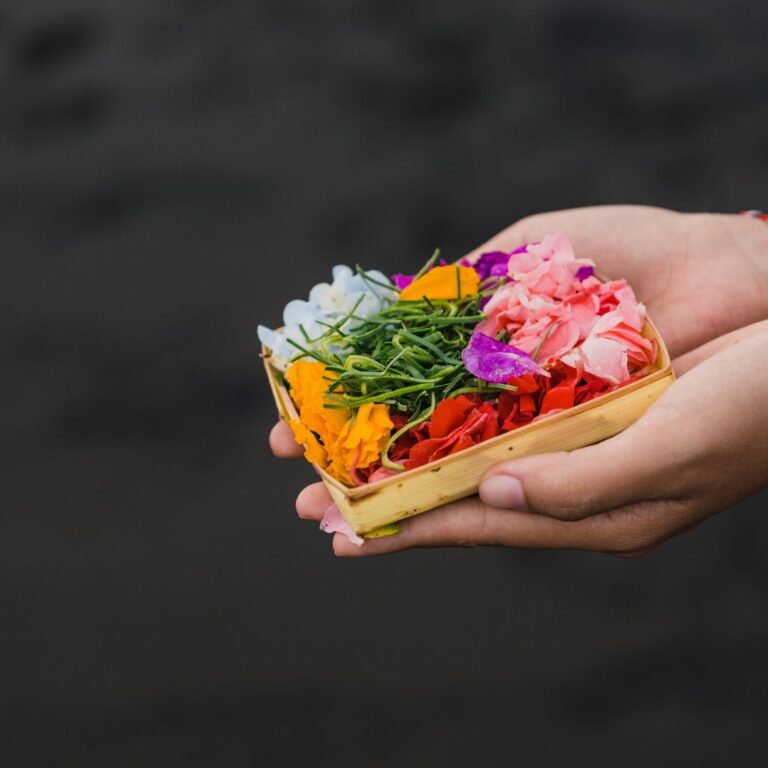
- Daily offerings such as Canang Sari placed in homes, temples, and public spaces
- Regular prayers conducted multiple times a day
- Temple ceremonies and religious festivals throughout the year
Temples can be found everywhere in Bali—from large sacred complexes to small family shrines. These practices reflect gratitude, devotion, and a continuous effort to maintain spiritual balance.
2. 👥 Pawongan – Harmony Among Humans
Pawongan represents the importance of maintaining good relationships between people. Community is at the heart of Balinese life, and strong social connections are essential for harmony.
This can be seen in:
- The “banjar” system (local community groups) that organizes social and religious activities
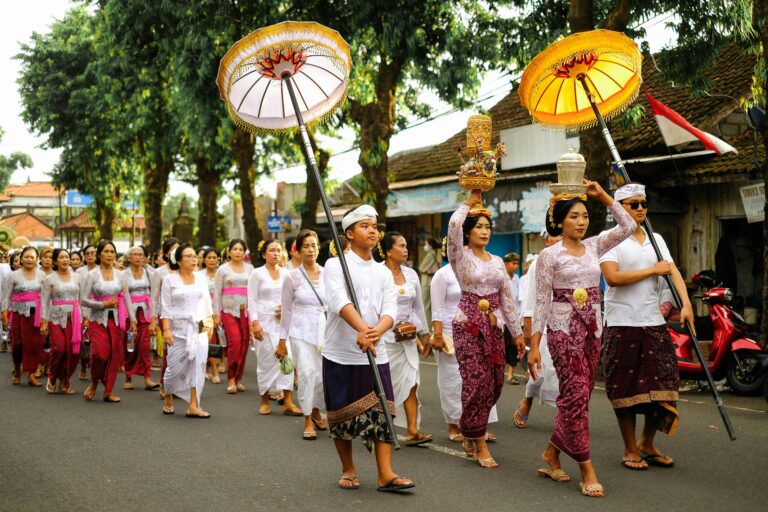
- Collective participation in ceremonies, weddings, and cremations
- A culture of mutual help, respect, and cooperation
Rather than focusing on individualism, Balinese society emphasizes togetherness and shared responsibility, creating a strong sense of unity and belonging.
3. 🌿 Palemahan – Harmony Between Humans and Nature
Palemahan highlights the relationship between humans and the natural environment. In Bali, nature is considered sacred and must be respected and preserved.
This harmony is reflected in:
- Sustainable farming systems like the subak irrigation system
- Sacred landscapes such as rivers, mountains, and forests
- Rice terraces like Tegallalang Rice Terrace, which combine agriculture, spirituality, and community cooperation
Balinese people believe that caring for nature is essential to maintaining balance in life, as humans are an integral part of the natural world—not separate from it.
You can also see this harmony in how the Balinese treat their environment in daily life. Offerings are made not only to the gods but also to maintain balance with unseen forces in nature. This respect for the environment is one of the reasons Bali continues to feel so connected to its natural beauty.
For travelers, experiencing Tri Hita Karana goes beyond visiting tourist attractions. It is about observing how life unfolds on the island—from the way people greet each other, to the rituals performed in the morning, to the care given to nature and surroundings.
Understanding this philosophy can transform your travel experience. Instead of simply seeing temples, you begin to understand their purpose. Instead of just admiring landscapes, you recognize their spiritual significance. Bali becomes more than a destination—it becomes a place of learning and reflection.
One of the best ways to truly experience this philosophy is by exploring Bali with local insight. A knowledgeable guide can explain the meaning behind ceremonies, introduce you to traditional practices, and help you experience the island in a more meaningful way.
With a personalized journey through Ubud Good Travel, you can discover how Tri Hita Karana is reflected in everyday life. From visiting temples and cultural sites to exploring rice terraces and traditional villages, each experience becomes more enriching when you understand the philosophy behind it. Traveling with a private driver also allows you to move at your own pace, giving you time to fully appreciate each moment.
In the end, Tri Hita Karana is the essence of what makes Bali so unique. It is the reason why spirituality, community, and nature coexist so beautifully on the island. It is also a reminder that true happiness comes from balance—something that many travelers find inspiring long after they leave Bali.
As you explore the island, take a moment to reflect on this philosophy. Notice the small offerings, the smiles of the people, and the beauty of the natural surroundings. These are all expressions of a deeper way of life that continues to thrive in Bali.
And when you begin to understand that, your journey becomes more than just travel—it becomes a meaningful connection to the heart and soul of Bali.